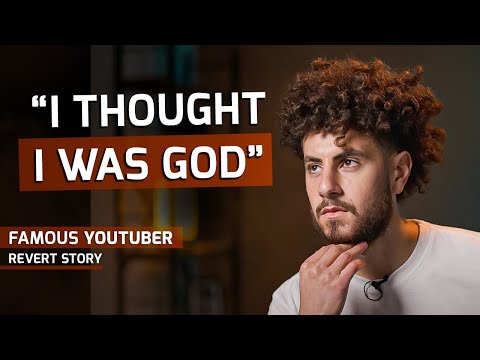
🎬 Famous YouTuber’s Return to Islam: “Maybe We Are All God?” — The Story of iamLucid
✨ Introduction
In a heartfelt interview with Towards Eternity, renowned content creator @iamLucid (Alex) shares his journey from religious certainty to agnosticism and ultimately to rediscovering Islam. His story—starting with the question, “Maybe we are all God?”—transformed into a declaration of divine oneness. This deeply personal narrative highlights the intellectual and spiritual evolution of a young creator in search of truth and meaning.
👤 Who Is iamLucid?
Known widely as **iamLucid**, Alex began on YouTube with popular content on lucid dreaming and NoFap motivation for teens. As confirmed by Reddit users, he attracted thousands of followers due to his engaging and thoughtful videos. Originally raised within Islam in Michigan, he moved through phases of atheism and spiritual curiosity before finally returning to Islam as a mature believer.
🕰️ What Did You Believe In?
Alex admits that during his teenage years, he adopted a more Western philosophical mindset—exploring atheism, skepticism, and alternative spirituality. He later even embraced the idea that “we are all God,” expressing a pantheistic worldview that, while intellectually appealing to him, lacked divine clarity
But this belief eventually felt hollow, provoking deeper questions about the nature of the Creator, the cosmos, and meaning itself.
⛔ Why Did You Leave Islam?
At some point, Alex rejected his religious upbringing entirely. He felt Islam as practiced socially was disconnected from pure faith. Influenced by teachers and self-questioning, he walked away—becoming an agnostic who doubted both doctrine and divine purpose.
This phase brought emotional distance from God and a spiritual void he struggled to fill.
🤔 After Rejecting Religion, Did You Feel Content?
Far from experiencing liberation, Alex describes this period as spiritually disorienting. Discontent, existential anxiety, and the failure of “alternative philosophies” left him unsettled. He realized that intellectual rebellion didn’t bring fulfillment—it intensified the longing for truth.
🌌 What Made You Re‑Embrace Islam?
The turning point came when he reread the Qur’an with fresh eyes and intention. Certain verses—about creation, God’s limitless attributes, and the process of human formation—resonated deeply. He recognized coherence and divine authorship in the text, contrasting sharply with the earlier confusion he felt .
Reflecting on God’s sovereignty, he concluded: “Maybe we are all God?” only to realize that God is transcendent beyond creation. This realization led him back to Tawheed—the Islamic doctrine of absolute monotheism.
👪 How Did Your Family React?
Alex shares how his family’s reaction was mixed. Some expressed relief, others confusion. Having previously hidden his faith from social circles, the re-emergence of Islam brought both support and questions. Yet, he notes that consistency and humility eventually softened hearts.
📺 Impact on Your YouTube Channel
Post-conversion, Alex became more open about his faith on YouTube. His audience responded positively, with some followers embracing Islam following his story. He reflects that his channel took on new purpose—becoming a space of intellectual sincerity, spiritual reflection, and community outreach.
🌸 Harshest and Sweetest Moments
Alex recalls moments of doubt and criticism—but also overwhelming support. Negative comments often stemmed from misunderstanding; but heartfelt messages from followers expressing curiosity and gratitude provided sweet reminders of purpose and impact.
🕊️ Have You Ever Felt Special Connection with Allah?
Yes. Alex speaks of moments in prayer where time felt suspended, where connection felt intimate and transformative—emotional experiences affirming that his return to Islam was more than intellectual—it was deeply spiritual and healing.
🙌 Did Any Followers Convert?
He shares that several followers were inspired by his journey to investigate Islam themselves; some eventually embraced the faith, modeling the ripple effects of personal testimony and sincere outreach.
🔍 How Should One Research Islam?
Alex advises seekers to engage directly with the Qur’an, reputable scholarly sources, and sincere Muslims—not rely solely on media portrayals. He also encourages critical thinking, patience, and personal prayer to guide the journey towards sound belief—echoing sentiments shared by IslamOnline contributors and other reverts.
⏳ Message to Non-Muslims
“If you had just one minute to speak to non-Muslims,” Alex says, “you’d say: ‘Look at the Qur’an, live sincerity and conviction, and see if message resonates.’” His words reflect a motif repeated by many reverts: Islam demands examination, sincerity, and personal conviction—not blind adherence.
🎯 Current Work & Passions
Currently, Alex continues creating content on topics including lucid dreaming, mental growth, spirituality, and Islam. His focus remains on intellectual honesty, personal development, and dawah through example rather than confrontation.
💬 Final Comments
Alex concludes by acknowledging his journey’s imperfections but emphasizing his gratitude: returning to Islam did not reset his identity—it refined it. He sees his life now as a conscious act of devotion, guided by intention and sincerity.
📖 Summary of His Journey
- Childhood: Raised Muslim but exposed to doubt and external philosophies.
- Rejection: Became atheist/agnostic after disillusionment with inherited practices.
- Quest: Questioned meaning, cosmology, and existence—exploring pantheism and alternative spirituality.
- Return: Rediscovered Islam through Qur’anic reflection, rejecting pantheism, and reaffirming monotheism.
- Transformation: Spiritual peace, purposeful content creation, and engaging Dawah through authenticity.
📜 Why His Story Matters
Alex’s narrative illustrates crucial lessons:
- Thinking is worship: Islam encourages questioning and reflection, not blind imitation.
- Tawheed matters: Recognizing God’s uniqueness restores theological clarity.
- Monday identity doesn't define eternity: Public humility and inner change are essential.
- Authentic Dawah: Sharing personal journeys can inspire others more than abstract arguments.
These themes align with the broader revert stories documented by platforms like *IslamOnline* and *Great Islam.
📝 Conclusion
The story of **iamLucid**—a YouTuber who once proclaimed “Maybe we are all God?”—is a profound testament to spiritual transformation. From skepticism and pantheism to rediscovering Islam’s divine clarity, his journey underscores the power of introspection, sincerity, and scriptural engagement.
His experience embodies a universal truth: no matter how far one strays, life can return when the heart opens sincerely, the mind seeks honestly, and the soul embraces humility before Allah. May his story inspire others to seek guidance, ask questions, and find peace in embracing genuine faith. 🤲🌙
Comments
Post a Comment